
Local Lead Generation: How to Attract Nearby Customers
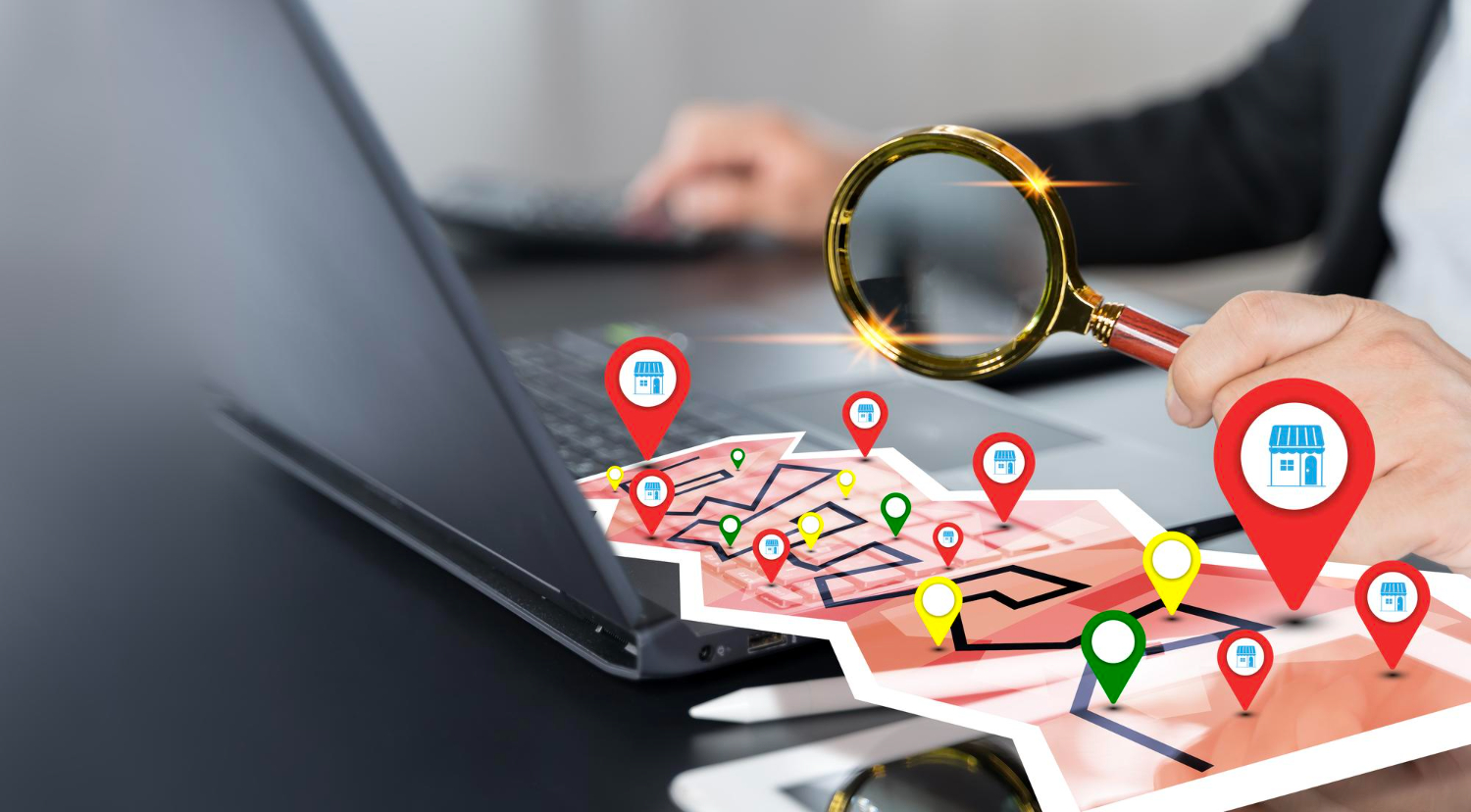
Local lead generation is the process of attracting potential customers within the area your business serves and turning their interest into enquiries, appointments or quote requests. It combines local search visibility, targeted advertising, a clear website offer and reliable follow-up.
The goal is to reach people who need your service, live within your service area and have a realistic reason to contact you. More website traffic or messages are useful only when they create genuine business opportunities.
What Counts as a Qualified Local Lead?
A qualified local lead matches your service, location and basic buying criteria.
For example, a plumbing enquiry from a homeowner inside your coverage area may be relevant. A request from another city, a job applicant or someone asking for a service you do not provide usually is not.
Define qualification before launching a campaign:
Location: Is the customer within your actual service area?
Need: Do they require a service you offer?
Timing: Are they ready to book or researching a future project?
Fit: Does the request meet your practical requirements?
This definition helps your team distinguish successful customer acquisition from a high volume of irrelevant enquiries.
1. Build Local Search Visibility
Keep your Google Business Profile accurate
For eligible businesses, Google Business Profile helps customers discover services through Google Search and Maps.
Use your real business name, suitable categories, current opening hours and accurate contact information. Describe the services you provide and keep photographs representative of the business.
Google explains that local results depend mainly on relevance, distance and prominence. Complete information helps establish relevance, while reviews and other signals contribute to prominence. You cannot guarantee visibility across an entire city simply by adding more keywords. Google Business Profile Help
Businesses must also meet Google’s eligibility and representation requirements. Do not create profiles for invented locations or use an address that does not qualify. Google Business Profile Help
Support your profile with local SEO
Your website should explain what you do, where you operate and how customers can contact you.
A practical local SEO strategy connects service pages, accurate business information and relevant internal links. It should help customers understand your offering as clearly as it helps search engines understand your business.
2. Create Pages That Answer Local Buying Questions
A location page should offer useful information beyond a city name.
Include relevant details such as:
Services available in that area.
Coverage boundaries or travel restrictions.
The booking or quotation process.
Genuine examples of completed work.
Common questions about availability and pricing.
For example, a home-renovation business could explain its survey process and show projects completed locally, with permission.
Use service-page content writing to address those buying questions clearly. Avoid publishing near-identical pages that change only the location name.
3. Use Paid Search to Capture Existing Demand
Search advertising can reach people actively looking for a service, such as “boiler repair near me” or “office cleaning in Islamabad.”
Begin with a focused service and an area your business can reliably cover. Match the advertisement to a relevant landing page rather than sending every visitor to the homepage.
Useful campaign controls include:
Reviewing search terms for irrelevant intent.
Excluding unsuitable searches with negative keywords.
Checking geographic settings and actual lead locations.
Running campaigns when enquiries can be handled.
Measuring qualified enquiries and bookings.
PPC campaign management should account for lead quality alongside advertising costs.
A cheap enquiry is not automatically valuable. If it concerns the wrong service or location, it may consume time without creating revenue.
4. Use Social Media to Build Trust and Generate Interest
Social advertising can introduce your business before someone actively searches for it.
Show the problem you solve, explain your service and provide credible evidence. Suitable content might include a project walkthrough, a customer-approved testimonial or an answer to a common buying question.
With social media marketing, keep each campaign focused on a clear audience, offer and next step.
Your creative should also help people qualify themselves. Include the service area and describe who the offer is for. Purposeful social media graphics can make that information easy to notice without overcrowding the advertisement.
Messages expressing curiosity still need qualification. Treat them as potential leads until their location and requirements are confirmed.
5. Improve Landing Pages for Local Lead Generation
Your landing page needs to carry the same promise as the advertisement or search result.
A visitor should quickly understand:
What service is available.
Whether their location is covered.
Why your business is a credible choice.
What happens after they enquire.
Use one primary action, such as “Request a Quote” or “Book an Assessment.” Make telephone links usable on mobile and test the form yourself.
Ask for enough information to route the enquiry, but avoid unnecessary fields. Service type and postcode may be more useful than requesting a lengthy explanation immediately.
Conversion-focused web development should support readable mobile layouts, dependable forms and accessible navigation.
6. Follow Up While the Enquiry Is Still Relevant
A lead-generation campaign also depends on the response after someone makes contact.
Assign each enquiry to a team member and set a response target your business can meet. An automated acknowledgement can confirm receipt, but it should explain when a person will respond.
A practical sequence is:
Acknowledge the enquiry and confirm the requested service.
Check location, requirements and availability.
Offer an appointment, quotation or appropriate next step.
Record the outcome in a CRM so enquiries do not disappear into separate inboxes.
Start with a standard system where possible. Consider custom software and API development when existing tools cannot connect your booking, lead-routing and reporting processes reliably.
7. Measure Bookings and Revenue Alongside Leads
Track the complete journey from enquiry to customer.
Useful measures include:
Qualified leads by channel.
Cost per qualified lead.
Appointment or quotation rate.
Lead-to-customer conversion rate.
Revenue from customers acquired.
Cost per qualified lead = relevant campaign spend ÷ qualified leads.
For a hypothetical campaign spending £1,000 and generating 20 qualified leads, that figure is £50. If five become customers, advertising spend per acquired customer is £200. Agency fees and other costs would need to be added for a fuller acquisition-cost calculation.
A telephone-link click is not necessarily a completed call. Likewise, a submitted form is not automatically a qualified lead. Keep those events separate and deduplicate repeat enquiries.
A Practical First-Month Plan
Week 1: Define your service area, priority offer and qualification criteria. Check business information and existing enquiry sources.
Week 2: Improve the main service page, booking journey and tracking.
Week 3: Launch one focused campaign that matches your available budget and response capacity.
Week 4: Review enquiries, booked work and reasons for disqualification. Improve the weakest stage before expanding.
This creates a useful baseline. It does not guarantee a particular number of leads or a fixed ranking timeline.
Frequently Asked Questions
What is the difference between local SEO and local lead generation?
Local SEO improves visibility in relevant local searches. Local lead generation is broader: it also includes advertising, conversion, qualification and follow-up.
Which local lead generation channel should I start with?
Start where your customers already look for the service. Search may suit urgent needs, while social content can introduce services requiring more consideration. Your website and response process should support either choice.
Can a small business generate local leads without paid ads?
Yes. Local search, referrals, partnerships and useful content can produce enquiries. Results depend on demand, competition and execution, and usually require consistent work.
Why am I receiving irrelevant local business leads?
Possible causes include unclear messaging, unsuitable geographic settings, broad search intent or weak qualification. Review actual enquiries before changing the budget.
How long does local lead generation take to work?
Advertising can produce enquiries after launch, but establishing consistent quality requires testing. Organic visibility generally develops over time. Measure qualified leads and booked business rather than expecting a universal deadline.
Build a Clear Path From Discovery to Booking
Effective local lead generation connects visibility with a relevant offer, a straightforward enquiry process and dependable follow-up. Start with one service and a manageable area, then expand based on qualified leads and customer outcomes.
Want to identify where your business is losing potential customers? Explore DigiAura360’s lead generation solutions and request a review of your acquisition and follow-up process.
Ready to Build Revenue Infrastructure?
We analyse your acquisition system and identify exactly where leads, conversions, and revenue are leaking. Free. 30 minutes.
Free · No commitment · Response within 24 hours