
The Role of Data in Modern Digital Marketing
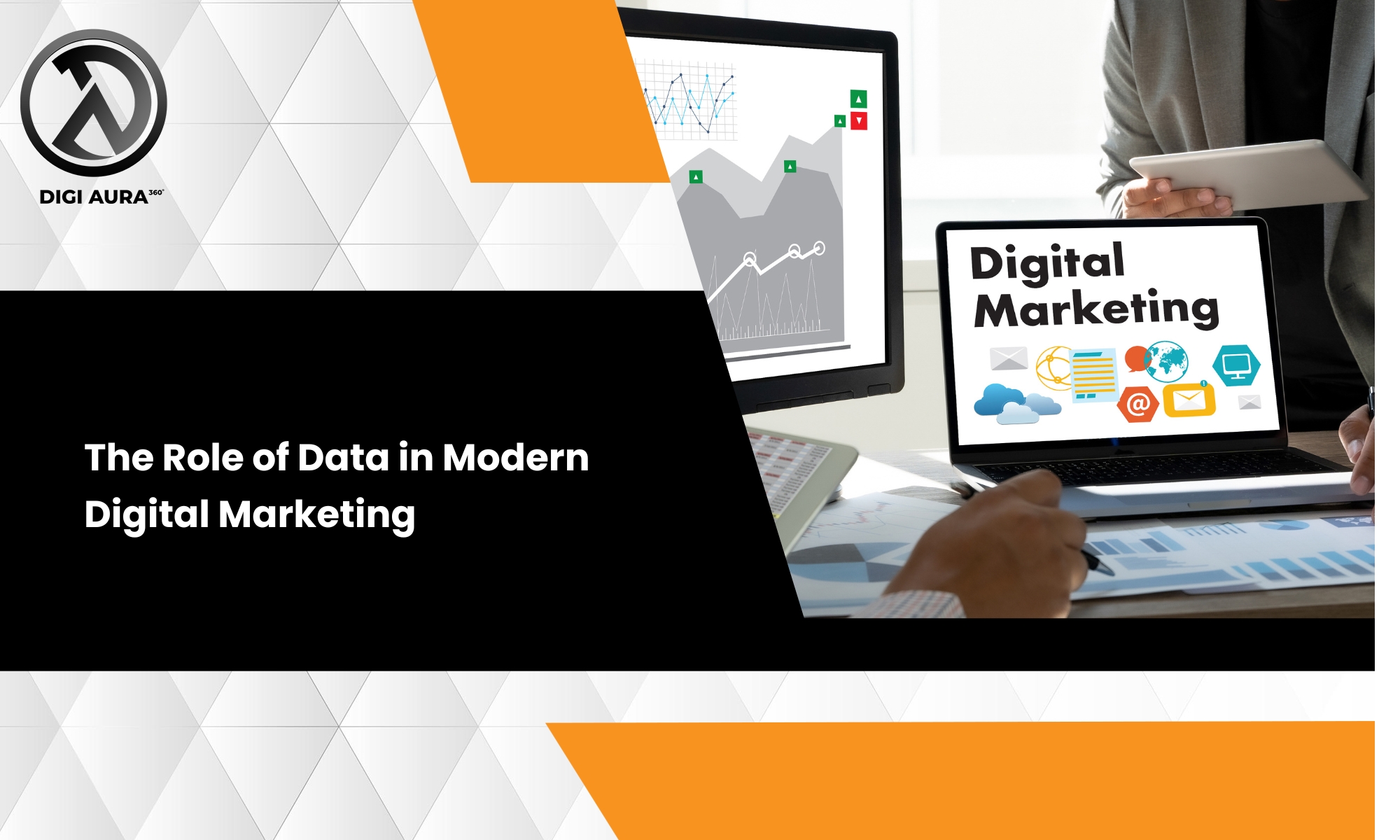
Data is the backbone of today’s digital marketing strategies. It helps marketers make smarter decisions, personalize user experiences, and track performance in real time.
With the right data, businesses can uncover insights, build targeted campaigns, and refine strategies for better engagement and ROI. Data empowers brands to create meaningful customer journeys across every platform.
In this blog, we’ll explore what data-driven marketing means, the various types of data used, and how businesses can apply data to improve outcomes. You’ll also discover the best tools, optimization techniques, and emerging trends that are shaping the digital marketing landscape.
What Is Data-Driven Digital Marketing?
Data-driven marketing is the process of using consumer data to inform strategy. By analyzing customer behavior, preferences, and demographics, brands can create highly targeted campaigns that deliver results.
This approach ensures that marketing decisions are based on insights rather than assumptions. It enables teams to allocate budget effectively, boost engagement, and increase conversion rates.
Why Data Is Critical for Marketers
Data allows you to understand your audience better. It helps you reach the right person at the right time with the right message.
With accurate data, marketers can personalize offers, improve timing, and optimize every touchpoint in the funnel. The result is stronger brand loyalty and more efficient campaigns.
Traditional vs. Data-Driven Approaches
Traditional marketing often relies on broad targeting and intuition. In contrast, data-driven strategies use real-time signals and analytics to guide every step.
Instead of guessing what might work, marketers use hard evidence to shape creative, targeting, and media placement. This leads to higher engagement and better ROI.
Types of Marketing Data and How to Use Them
Understanding different data types is essential for segmentation, targeting, and optimization. Each type contributes unique insights:
Customer Data includes purchase history, browsing behavior, interests, and demographics. Use it to build audience profiles and tailor content.
Engagement Data comes from how users interact with your brand. Analyze clicks, scrolls, shares, and time-on-page to identify what resonates.
Transactional Data includes sales, subscriptions, cart activity, and refunds. Use it to refine offers and pricing strategies.
First-Party Data is collected from your touchpoints. It’s the most valuable and accurate.
Second-Party Data is shared by partners and provides added context about your shared audiences.
Third-party data is purchased from aggregators. It’s helpful for scaling but may lack accuracy.
Zero-Party Data is willingly provided by users through surveys or quizzes. It reveals personal preferences and intent.
Qualitative Data includes open-ended feedback, product reviews, and support chats. It helps understand customer sentiment and motivations.
How Data Drives Key Marketing Decisions
Targeting and Segmentation: Data helps you group users based on behavior, location, or preferences. Identity resolution tools unify user profiles across platforms.
Content Strategy: By tracking performance, marketers can see which topics and formats drive engagement. This informs future content development.
Budget Allocation: Spend can be redirected to high-performing channels based on real-time results. Predictive analytics helps avoid waste.
Customer Journey Mapping: Data reveals how users progress through your funnel. Omnichannel analytics ensures consistency across platforms.
Tools for Collecting and Analyzing Marketing Data
You need the right tools to gather and act on data effectively. Here’s what leading marketers rely on:
Analytics Platforms: Google Analytics 4, Adobe Analytics, and HubSpot provide event tracking and user flow visualization.
CRM Systems: Salesforce, HubSpot CRM, and Zoho help manage customer interactions and behavior insights.
Customer Data Platforms (CDPs): Segment and Bloomreach unify data from all sources for better targeting.
Tag Management: Google Tag Manager enables you to track actions without altering website code.
Automation Platforms: Marketo, ActiveCampaign, and Mailchimp use behavior data to trigger personalized emails and workflows.
Consent Management Tools: OneTrust and TrustArc manage data privacy preferences and ensure compliance with GDPR and CCPA.
Visualization Tools: Tableau, Power BI, and Looker Studio create dashboards to simplify decision-making.
Data Lakes and Warehouses: Amazon Redshift and BigQuery store large volumes of structured and unstructured data for deep analysis.
Best Practices for Using Data to Improve Marketing Performance
Define Goals Clearly: Set measurable objectives like increasing conversions or lowering cost per acquisition.
Track and Audit Data: Ensure your data sources are reliable. Clean your lists and fix tracking issues regularly.
Use Personalization: Deliver tailored experiences using behavioral and demographic data.
Run A/B Tests Often: Test creatives, CTAs, and landing pages to optimize performance based on actual results.
Adopt a Customer-Centric Approach: Use data to understand pain points, not just transactions. This builds trust and long-term loyalty.
Stay Compliant: Be transparent about how you collect and use data. Use consent tools to manage permissions.
Monitor Trends: Stay updated with advancements in machine learning and analytics. Use these tools to stay ahead of competitors.
The Future of Data in Digital Marketing
AI and Machine Learning are powering smarter decision-making. These technologies personalize in real time and optimize bidding strategies.
Predictive Analytics forecasts future behavior. This helps tailor offers before the customer even acts.
Real-time data enables marketers to react instantly. Campaigns can be adjusted based on immediate performance.
Privacy-First Tracking will become standard. As cookies disappear, brands will rely more on first-party and zero-party data.
Hyper-personalization means every email, product recommendation, or ad can be tailored to the individual user at scale.
Actionable Checklist for Data-Driven Marketing
✅ Set SMART goals tied to business KPIs
✅ Collect first-party, zero-party, and behavioral data
✅ Use CDPs or CRMs to centralize information
✅ Deploy Google Tag Manager for custom event tracking
✅ Run A/B tests for email, landing pages, and ads
✅ Build visual dashboards with Looker or Power BI
✅ Clean and audit data sources monthly
✅ Follow privacy regulations using consent tools
✅ Apply predictive models for better campaign timing
✅ Align marketing decisions with customer insights
Conclusion
Data isn’t just a tool. It’s the foundation of successful digital marketing. From improving personalization to maximizing budget, it drives growth.
If you’re ready to unlock your brand’s full potential, DigiAura can help. Our experts will guide you through building a data-driven strategy that converts.
Ready to Build Revenue Infrastructure?
We analyse your acquisition system and identify exactly where leads, conversions, and revenue are leaking. Free. 30 minutes.
Free · No commitment · Response within 24 hours