
What Is a Sales Pipeline? Stages, Metrics and How to Build One
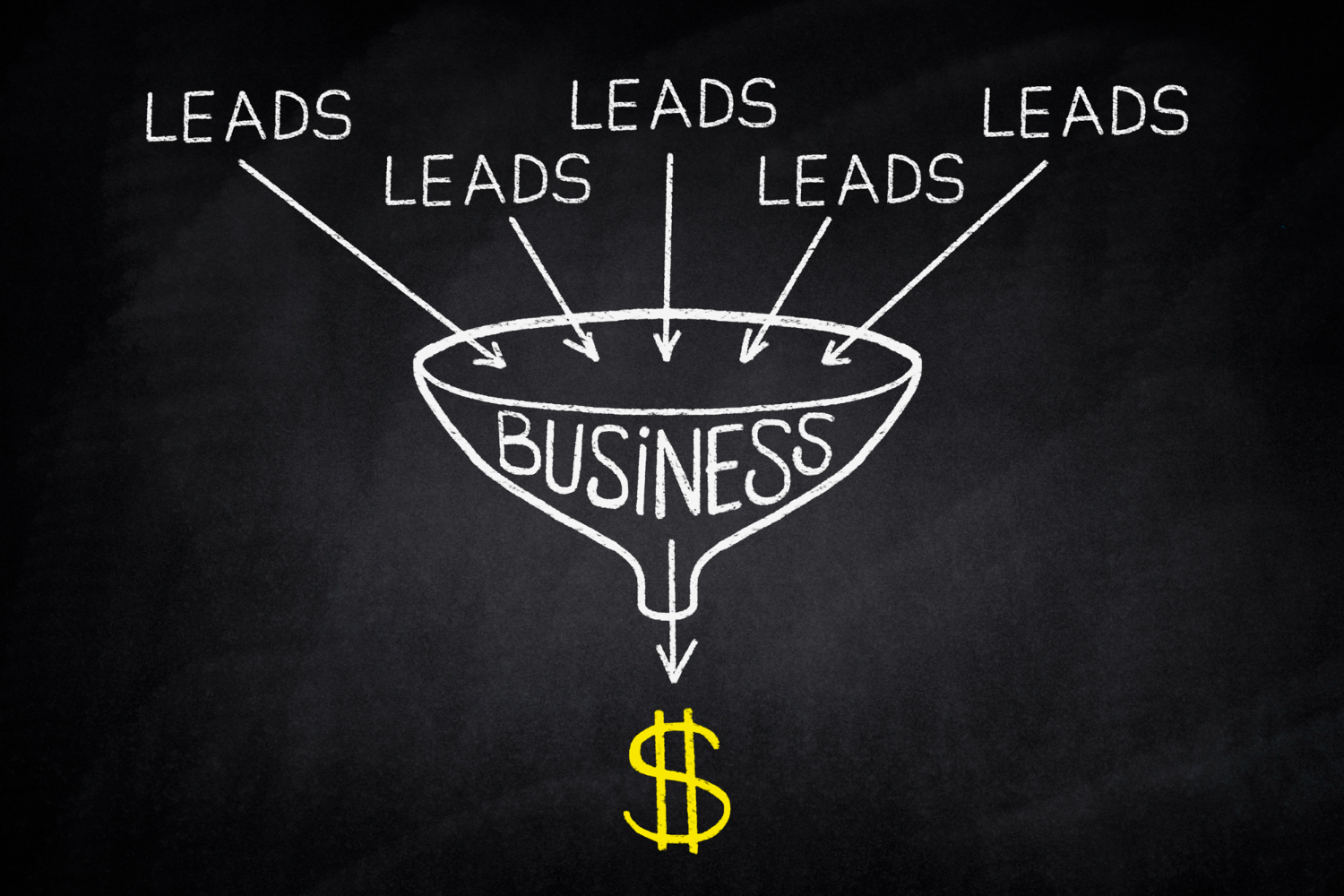
A sales pipeline is a structured view of potential deals as they move from qualification to a buying decision. It shows each opportunity’s stage, value, owner and next action, helping teams identify stalled deals, prioritize follow-ups and estimate future sales.
For example, a business may receive 30 inquiries but have only eight qualified opportunities. A pipeline distinguishes those active deals from general interest, giving marketing and sales a shared picture of progress.
For businesses working with DigiAura360, connecting customer acquisition with sales follow-up means measuring more than website visits and form submissions: it means understanding what happens after an inquiry arrives.
Sales Pipeline vs. Sales Funnel
A sales pipeline tracks individual opportunities and the actions needed to advance them. A sales funnel summarizes how an audience narrows from initial interest to customers. Both describe the buying journey, but they answer different management questions.
ComparisonSales pipelineSales funnelMain focusProgress of individual dealsConversion across audience stagesTypical informationDeal value, owner, stage and next stepVisitor, lead, opportunity and customer countsMain questionWhich deals need attention?Where are potential customers dropping out?Practical useFollow-up and sales forecastingAcquisition and conversion analysis
Salesforce similarly describes a pipeline as a way to organize prospects through the sales process and monitor deal progress. Salesforce
Neither view guarantees revenue. Both depend on accurate records and clear definitions.
Common Sales Pipeline Stages
Your stages should reflect how customers buy. A simple service business may need fewer stages than a company selling complex software.
The following structure provides a practical starting point.
1. Lead Capture and Initial Contact
A potential customer submits a form, responds to outreach or requests information.
Record the source and assign responsibility promptly. Sources might include referrals, SEO services, events or PPC advertising campaigns.
Keep unqualified contacts separate from the opportunity pipeline where possible. A downloaded guide does not automatically indicate an active buying decision.
2. Qualification
Confirm whether the prospect fits your services and has a problem you can realistically address.
Consider:
Business needs and service fit.
Budget expectations.
Decision-making responsibilities.
Timing and willingness to take a next step.
Exit criterion: Enough information exists to justify a discovery conversation.
3. Discovery
Explore the problem, its business impact and the prospect’s desired outcome.
For a website project, this might include lead generation goals, current conversion problems, required functionality and launch constraints.
Exit criterion: Both sides understand the requirements and agree that a proposed solution is worth exploring.
4. Proposal
Present the recommended scope, pricing, deliverables, responsibilities and timeline.
A proposal should respond to the discovery findings. Sending a generic price list is not equivalent to defining a suitable solution.
Exit criterion: The buyer has received the proposal and agreed to a review or decision step.
5. Evaluation and Negotiation
Resolve questions about scope, commercial terms, implementation and stakeholder approval.
Record what remains undecided and who must resolve it. Avoid advancing a deal because the prospect sounds enthusiastic.
Exit criterion: The relevant decision-makers have agreed on the terms needed to proceed.
6. Closed Won or Closed Lost
Define “won” consistently—for example, a signed agreement plus any required initial payment.
Record a loss reason when a deal closes unsuccessfully. Where appropriate, move interested prospects without an active buying timeline into a separate nurture process.
How to Build a Sales Pipeline in Six Steps
1. Define Your Ideal Customer
Specify the businesses you can serve effectively: industry, size, location, needs and purchasing constraints.
A focused customer profile improves qualification. It also helps prevent the pipeline from filling with inquiries that your business cannot support.
2. Map Stages to Buyer Progress
Give every stage an entry requirement and an exit requirement.
For example, “proposal sent” should mean a relevant proposal reached the buyer. “Negotiation” should mean an actual discussion about terms, rather than an unanswered follow-up.
3. Create Consistent Opportunity Records
Use a spreadsheet initially or a customer relationship management system as coordination needs grow.
Include:
Company and contact.
Opportunity owner.
Lead source and campaign.
Current stage.
Deal value and expected close date.
Last meaningful activity.
Next action and its due date.
Choose one value basis. Do not mix monthly retainers with annual contract values in the same total.
4. Connect Marketing With Lead Capture
A clear handoff preserves the context behind an inquiry.
For instance, website development services can support accessible inquiry forms, while content writing services can explain the offer and help prospects assess fit before contacting sales.
Track campaign information where available, but distinguish the lead’s recorded source from a complete attribution model.
5. Establish Relevant Follow-Up
Give each active opportunity a clear next step. Follow-up should help the buyer progress, rather than repeatedly ask whether they have decided.
For prospects who are interested but not ready, email marketing services can support permission-based nurturing with useful explanations, examples and updates.
6. Review and Maintain the Pipeline
Run a weekly review of overdue actions, stalled opportunities and changing close dates.
When disconnected tools create repeated manual work, evaluate whether custom software development could connect your existing systems. Define the process first so automation supports useful work.
Sales Pipeline Metrics Worth Tracking
Qualified Pipeline Value
Pipeline value = Sum of the values of active qualified opportunities
Ten opportunities worth $5,000 each represent $50,000 in potential contract value—not guaranteed revenue.
Review value alongside deal quality, stage and expected timing.
Win Rate
Win rate = Closed-won deals ÷ All closed deals × 100
If 20 deals are won and 60 are lost, the win rate is:
20 ÷ 80 × 100 = 25%
Use consistent inclusion rules and report the measurement period.
Stage Conversion Rate
Stage conversion rate = Opportunities advancing ÷ Opportunities entering the stage × 100
If 30 of 50 qualified opportunities reach discovery, conversion is 60%.
Follow the same group of opportunities long enough to observe progression. Dividing unrelated monthly stage totals can give misleading results.
Sales Cycle Length and Stage Age
Sales cycle length measures time from your defined starting point to closure. State whether you report won deals, lost deals or both.
Stage age measures how long a deal remains in its current stage. A rising proposal-stage age can prompt investigation into approval delays, unclear scope or insufficient urgency.
Pipeline Coverage
Pipeline coverage = Relevant open pipeline value ÷ Remaining sales target
A $90,000 pipeline against a $30,000 remaining target gives 3× coverage.
This is an illustrative calculation, not a universal benchmark. Adequate coverage depends on historical win rates, timing and opportunity quality.
Common Pipeline Problems and Their Fixes
Too many unqualified opportunities: Tighten qualification and separate general inquiries from active deals.
Deals repeatedly slip into the next month: Ask buyers to confirm decision steps and revise close dates based on evidence.
Proposals stall: Investigate whether the buyer understands the scope, has approval authority and has agreed to a review meeting.
Pipeline value looks strong but sales remain weak: Check inflated values, stale opportunities and inconsistent qualification.
Weighted forecasts also have limits. Multiplying deal values by stage probabilities produces an estimate, not a commitment; probabilities should reflect your own historical outcomes.
Frequently Asked Questions
What should a small business include in its sales pipeline?
A small business sales pipeline should include qualified opportunities, a clear owner, consistent deal values, defined stages, expected close dates and a dated next action for each deal, with enough information to guide follow-up without creating records that the team cannot realistically maintain.
How many sales pipeline stages do you need?
You need enough sales pipeline stages to represent meaningful changes in buyer commitment, rather than every email or call, so start with qualification, discovery, proposal, evaluation and closure, then add stages only when they improve decisions, accountability or visibility into a distinct buying requirement.
What is the difference between pipeline value and revenue?
Pipeline value represents the estimated value of open opportunities, while revenue reflects amounts recognized under the business’s accounting policy, so a large pipeline should be treated as potential business rather than earned income, and closed-won bookings should also be distinguished from collected cash.
How often should you review your sales pipeline?
Review your sales pipeline weekly as a practical starting point, while updating individual opportunities after meaningful activity, and adjust the review frequency to your sales volume and cycle length so overdue actions, stalled deals and unrealistic close dates receive attention before they distort forecasts.
Can a spreadsheet replace sales pipeline software?
A spreadsheet can support sales pipeline management when deal volume is manageable and ownership is clear, but a CRM becomes more useful when multiple people need shared activity histories, reminders, permissions and reporting, provided the underlying sales process and data definitions are established first.
Conclusion: Build a Pipeline You Can Act On
A useful sales pipeline connects qualified opportunities with clear stages, responsible owners and buyer-agreed next steps. Consistent records and regular reviews make its metrics more useful for planning and identifying bottlenecks.
Want to connect marketing inquiries with a clearer sales process? Explore DigiAura360’s lead generation solutions and book a strategy call to discuss your acquisition and follow-up workflow.
Ready to Build Revenue Infrastructure?
We analyse your acquisition system and identify exactly where leads, conversions, and revenue are leaking. Free. 30 minutes.
Free · No commitment · Response within 24 hours